Product details description
Selecting the right material for a trash can involves weighing factors like
durability, aesthetics, maintenance, cost, and intended use environment (indoor
vs. outdoor, residential vs. commercial). The three most common material
categories—plastic, metal (often galvanized steel), and stainless steel—each
offer a distinct set of advantages and limitations that make them suitable for
different applications.
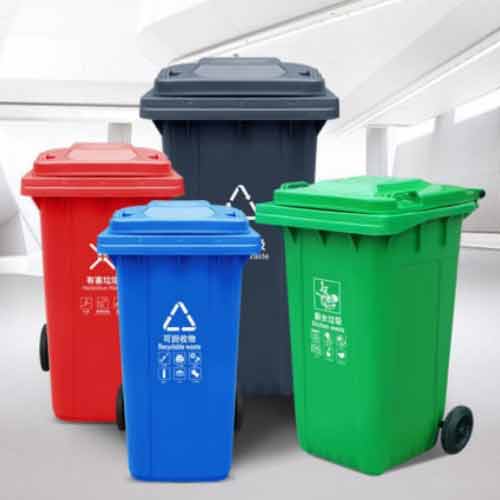
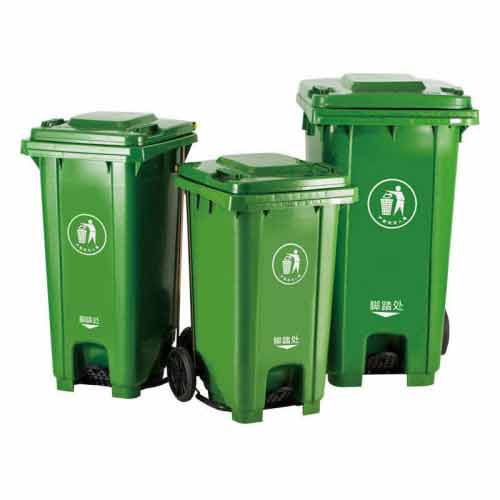
Plastic trash cans are the most affordable and lightweight option. Made
from resins like polyethylene, they are resistant to rust and corrosion, making
them excellent for damp areas like bathrooms, kitchens, or outdoor use where
rain is frequent. They are easy to clean, often come in various colors, and can
be molded with integrated wheels and lids. However, they have significant
drawbacks: they can become brittle and crack in extreme cold or UV exposure,
they may absorb odors over time, and they are less durable against impacts or
animal interference. They are best for light to medium-duty residential use or
indoor commercial settings where cost is a primary concern.
Metal trash cans, typically made from galvanized steel, offer a step up in
durability and strength. The galvanization process coats the steel in zinc,
providing excellent rust resistance suitable for outdoor use in parks,
streetscapes, and commercial backlots. They are much more resistant to impacts,
chewing by animals, and wind tipping (especially when weighted or anchored).
They have a classic, utilitarian aesthetic. The main disadvantages are weight
(making them harder to move), potential for denting, and the fact that the
galvanized coating can eventually wear or scratch, leading to rust spots if not
maintained. They are also noisier than plastic when handling trash.
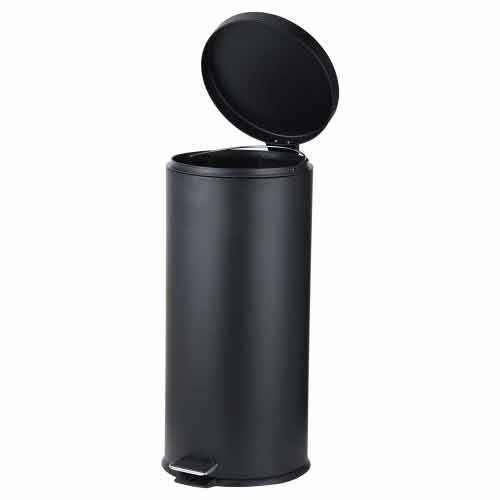
Stainless steel trash cans represent the premium category for both
durability and aesthetics. They offer superior corrosion resistance, especially
with higher-grade (e.g., 304) stainless steel, making them ideal for harsh
environments, including coastal areas, high-humidity kitchens, labs, and
hospitals where hygiene is paramount. They are extremely strong, resistant to
dents and impacts, and do not absorb odors. Their sleek, professional appearance
makes them the standard for high-end offices, hotels, restaurants, and modern
residential spaces. The primary cons are the highest cost, significant weight,
and they show fingerprints, water spots, and scratches more easily, requiring
regular polishing to maintain their luster.
The choice ultimately depends on the priority matrix. For budget-friendly,
versatile residential use: plastic often wins. For durable, cost-effective
outdoor/public area use: galvanized steel is a workhorse. For hygiene-critical,
high-traffic commercial or premium residential settings where image and
longevity are key: stainless steel is the investment of choice. Considering
factors like lid type (pedal, sensor, swing), capacity, and liner compatibility
within each material category will lead to the most functional and satisfactory
selection.
Previous article:
Streamlining Kitchen Waste Management with Trash Can Kitchen
Next article:
Kitchen Trash Can Size Guide: Matching Capacity to Household Needs