Efficient Waste Management with a Trash Can Plastic
Release time:2026-03-11 Click:7
Effective waste disposal is a daily necessity for households, businesses, and public spaces, and the trash can plastic remains the most ubiquitous tool for this purpose. Its lightweight and durable design allows for the easy collection and transportation of refuse. From small bins in office cubicles to large rollout carts for curbside collection, these containers are essential for maintaining hygiene and order. The evolution of these products has focused on improving durability, ergonomics, and environmental impact.
The primary advantage of using polymers for waste containers is their resistance to corrosion. Unlike metal bins, which can rust when exposed to rain or organic waste liquids, a trash can plastic is impervious to moisture and chemicals. This makes them ideal for holding wet kitchen waste, grass clippings, and other organic materials that would degrade metal rapidly. The use of UV-stabilized resins also prevents the plastic from becoming brittle and cracking when left in the sun for extended periods.
Design features have evolved significantly to meet consumer needs. Modern rollout carts are equipped with wheels and ergonomic handles, making it easy for homeowners to maneuver heavy loads to the curb. In commercial settings, a trash can plastic often includes features like pedal-operated lids to promote hands-free, hygienic disposal. These design improvements enhance the user experience and encourage proper waste disposal practices, which is crucial for public health.
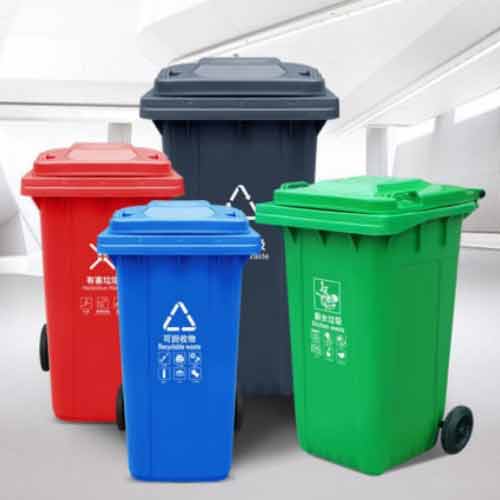
The environmental aspect of these products is a subject of ongoing innovation. Manufacturers are increasingly producing trash can plastic items using recycled materials, closing the loop on plastic waste. Furthermore, the durability of modern plastics means that bins do not need to be replaced as frequently as in the past, reducing the volume of manufacturing waste. There is also a growing focus on designing bins specifically for recycling streams, often color-coded to help users separate paper, plastic, and glass effectively.
Maintenance is another area where these containers excel. A trash can plastic is non-porous and smooth, making it easy to clean and sanitize. Regular washing with soap and water is usually sufficient to remove odors and sticky residues. This ease of maintenance is particularly important in food service and healthcare environments where hygiene standards are stringent and bins must be cleaned frequently.
In summary, the simple waste receptacle is an engineering marvel that plays a vital role in modern sanitation. The trash can plastic offers a lightweight, rust-proof, and versatile solution for managing refuse. Its continued evolution ensures that it meets the changing demands of waste management systems, helping to keep our communities clean and healthy.
Previous article:Plastic Trash Can for Parks & Street Waste Collection
Next article:Sanitary Waste Management with the Utility of Garbage Bin
Hot products
Mobile: +86 15097722953
Email:metalproducts2021@163.com
Email:1755383270@qq.com