Product details description
Commercial trash can capacity is a critical logistical consideration for
businesses, municipalities, and property managers, directly impacting
operational efficiency and sanitation costs. Standard office bins are
insufficient for high-traffic areas like shopping malls, hospitals, or stadiums,
where waste generation is rapid and continuous. High-volume solutions, ranging
from 30-gallon wheeled carts to massive compactors, are engineered to handle
this density of refuse. Selecting the right capacity involves analyzing the
specific waste stream—whether it is general refuse, recyclables, or organic
compost—and the frequency of collection available from local waste management
services.
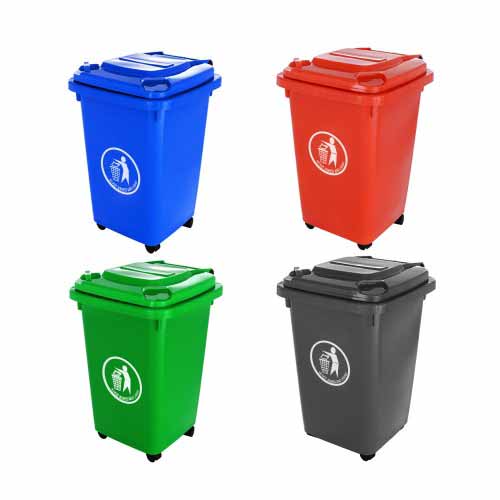
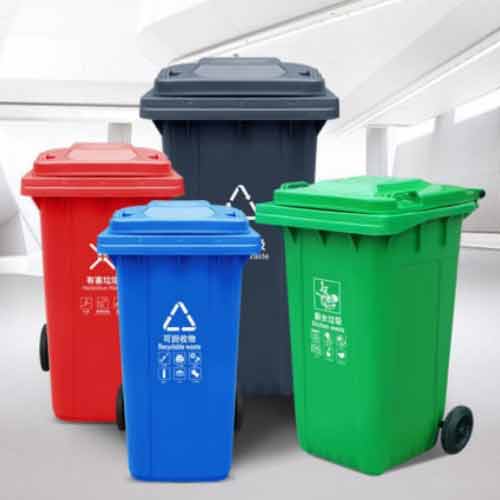
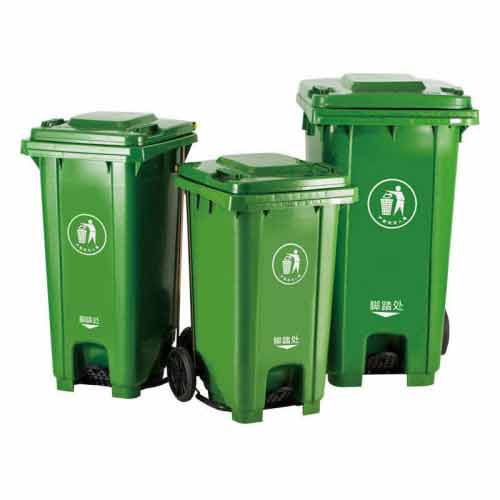
The most common high-volume solution is the wheeled dumpster, typically
constructed from high-density polyethylene (HDPE) or galvanized steel. HDPE is
preferred for its resistance to corrosion, rust, and dents, making it ideal for
wet waste or coastal environments. These containers usually range from 2 to 8
cubic yards (approximately 100 to 400 gallons). The inclusion of heavy-duty
wheels and steering handles allows a single janitor to move a fully loaded bin,
reducing labor costs and injury risks associated with lifting heavy bags. The
lid design is also crucial; locking, hinged lids prevent access by pests and
stop wind from scattering litter, which is a major liability for businesses
concerned with curb appeal.
For businesses with extremely limited space but high waste output, vertical
compactors are the ultimate solution. These machines use hydraulic pressure to
crush waste at a ratio of 4:1 or even 6:1, effectively turning a full dumpster
into a fraction of its original size. This reduces the required pickup
frequency, saving the business money on hauling fees. Commercial compactors come
in self-contained units (ideal for restaurants to hide unsightly waste) or
stationary units that require a separate container. The "high-capacity" aspect
here refers not just to the physical volume but to the throughput rate—how many
pounds of trash can be processed per hour.
Indoor high-volume receptacles differ slightly in design, prioritizing
aesthetics and fire safety. In office lobbies or airports, trash cans are often
integrated into the architecture using stainless steel finishes to match
elevators and fixtures. These units may feature multiple compartments for
recycling (paper, plastic, glass) to encourage proper waste segregation by the
public. To prevent fire hazards, many commercial cans are equipped with ash urn
tops or self-extinguishing interiors that smother cigarettes. The capacity of
these indoor units is balanced against the need for frequent emptying; a can
that is too large becomes a fire risk and an eyesore if not emptied daily, while
one that is too small leads to overflow and unsanitary conditions.
Durability against vandalism and heavy use is a defining feature of
commercial waste containers. Public space bins must withstand being kicked,
tipped over, or burned. This is achieved through thickened sidewalls,
heavy-gauge steel construction, and secure anchoring points that allow the bin
to be bolted to the pavement or a concrete pad. Some designs feature
"vandal-resistant" apertures that are too small to insert objects but large
enough to deposit trash, preventing arson or the dumping of large items. The
choice of material—usually powder-coated steel—also ensures that graffiti can be
easily cleaned off without damaging the structural integrity of the can.
Finally, the trend toward smart waste management is influencing capacity
decisions. Sensors embedded in high-volume bins can notify sanitation crews when
the container is 80% full, optimizing collection routes and preventing overflow.
This data-driven approach allows businesses to right-size their waste
containers—swapping a smaller bin for a larger one only when data shows it is
necessary. By investing in high-volume solutions tailored to their specific
waste generation profiles, businesses not only maintain a clean environment but
also realize significant cost savings through reduced labor, fewer pickups, and
minimized landfill fees.
Previous article:
The Role of Trash Cans in Public Space Hygiene
Next article:
Decorative Trash Cans - Aesthetic Designs for Home & Office