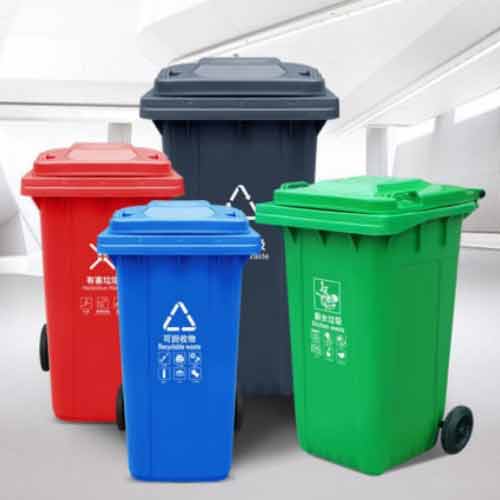
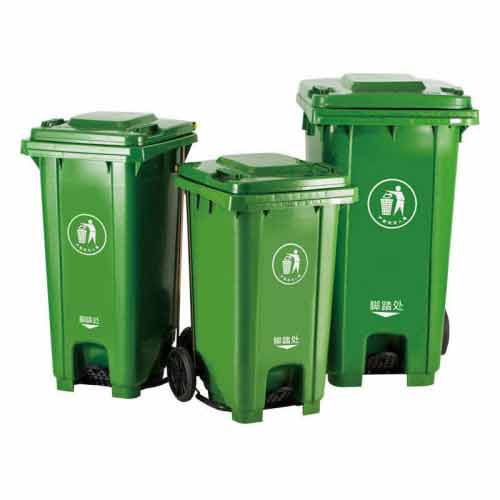
Product details description
Trash cans, once regarded as mere functional tools for waste collection,
are undergoing a profound transformation amid the global push for
sustainability. Traditional trash cans offer no insight into waste composition,
volume, or recycling potential, leading to inefficient collection routes,
unnecessary carbon emissions, and missed opportunities for resource recovery. As
cities grapple with growing waste generation and stringent environmental
targets, the demand for intelligent, eco-conscious trash cans has surged,
turning these everyday items into key components of smart waste management
systems.
One of the most impactful innovations in modern trash cans is smart sensing
technology. Equipped with infrared sensors, weight sensors, and IoT
connectivity, these advanced receptacles can monitor fill levels in real time.
Data is transmitted to a central management platform, allowing waste collection
teams to optimize routes—only visiting bins that are nearly full instead of
adhering to fixed schedules. This not only reduces fuel consumption and labor
costs but also minimizes the environmental footprint of waste collection
operations, a crucial step toward carbon neutrality.
Sustainability in trash can design extends beyond smart technology to
material selection. Manufacturers are increasingly adopting recycled plastics,
bamboo fiber, and other eco-friendly materials to replace traditional
petroleum-based plastics. Some models even incorporate solar panels to power
their sensing and connectivity features, eliminating the need for disposable
batteries and further reducing their environmental impact. These material
innovations not only align with circular economy principles but also raise
consumer awareness about sustainable consumption.
Waste sorting, a cornerstone of sustainable waste management, is also being
integrated into trash can design. Smart bins with multiple compartments and
AI-powered sorting capabilities can identify and separate recyclables,
compostables, and non-recyclables automatically. This eliminates the burden of
manual sorting for users, improving recycling rates and reducing contamination
of recyclable materials. In public spaces, such bins are particularly effective,
as they guide pedestrians toward correct waste disposal without the need for
constant supervision.
Looking ahead, the future of trash cans will be defined by greater
integration with smart city ecosystems and a focus on closed-loop waste systems.
Future models may collaborate with household appliances to track food waste,
send recycling reminders to users’ smartphones, or even compress waste to
increase capacity. As these innovations continue to mature, trash cans will no
longer be passive waste receptacles but active enablers of a more sustainable,
efficient, and circular approach to waste management.
Previous article:
Step-On Trash Cans - Foot Pedal for Convenient Hands-Free Use
Next article:
Plastic vs Stainless Steel Trash Cans: Durability and Hygiene Comparison