Eco-Friendly and Durable: The Rise of Trash Can Plastic
Release time:2026-02-28 Click:11
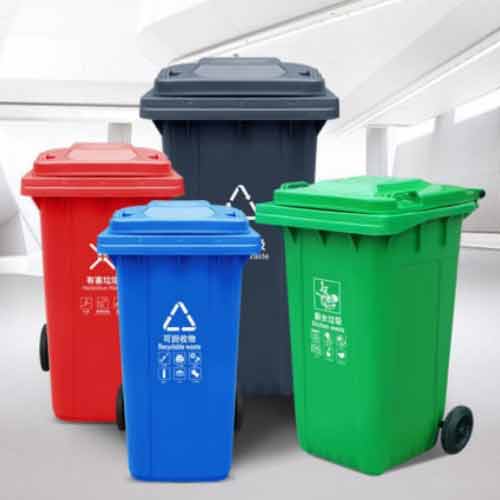
Trash can plastic has revolutionized waste management, offering a durable, lightweight, and eco-friendly alternative to traditional metal or wooden bins. Made from high-density polyethylene (HDPE) or polypropylene (PP), these bins resist rust, rot, and impact, making them ideal for outdoor use in all climates. As sustainability becomes a global priority, trash can plastic’s recyclability and low carbon footprint have driven its adoption in residential, commercial, and public spaces.
The composition of trash can plastic is engineered for strength and longevity. HDPE, the most common material, is a thermoplastic polymer known for its high tensile strength and resistance to chemicals, UV radiation, and moisture. PP is lighter and more flexible, often used for lids and handles. Many trash can plastic models are made from recycled materials—up to 100% post-consumer plastic—reducing reliance on virgin petroleum. Additives like UV stabilizers prevent fading, and antimicrobial agents inhibit bacterial growth, making them hygienic for food waste.
Applications of trash can plastic are ubiquitous. Residential homes use them for curbside collection, with capacities ranging from 30 to 240 liters. Commercial settings, such as offices and restaurants, employ them in kitchens and restrooms, often with foot pedals for hands-free operation. Public spaces like parks, beaches, and streets use large-capacity (360–1100 liter) bins, sometimes with separate compartments for recycling. Industrial facilities use heavy-duty plastic bins for hazardous waste, thanks to their chemical resistance.
Advantages of trash can plastic over other materials are compelling. Unlike metal bins, they don’t rust or dent, even when hit by vehicles. They are lighter than wood, making them easier to move for collection. The smooth surface prevents waste from sticking, simplifying cleaning. Cost-wise, they are 30–50% cheaper than metal bins and require no painting or sealing. Most importantly, they are 100% recyclable—at the end of their 10–15 year lifespan, they can be melted down and remade into new products.
Design innovations in trash can plastic enhance usability. Ergonomic handles and wheels make them easy to transport, even when full. Foot pedals and motion sensors enable hands-free opening, improving hygiene. Vented designs reduce odors by allowing air circulation, and tight-fitting lids keep pests out. Some models include inner liners for easy bag removal, and color-coding (blue for recycling, green for compost) simplifies sorting. For aesthetic appeal, they come in colors like charcoal, teal, and terracotta to match outdoor decor.
Maintenance of trash can plastic is straightforward. Rinse with a hose to remove residue, and use a mild detergent for tough stains. Avoid abrasive cleaners that can scratch the surface. Inspect annually for cracks or UV damage—minor cracks can be repaired with plastic welding kits. In winter, clear snow to prevent the bin from being blown over. When recycling, check local guidelines—some areas require removing lids or labels. By choosing trash can plastic, users invest in a sustainable, long-lasting waste solution.
Previous article:Stainless Steel Durable Trash Can for Modern Kitchens
Next article:Slim Design Custom Trash Can for Narrow Hallways & Office Aisles
Hot products
Mobile: +86 15097722953
Email:metalproducts2021@163.com
Email:1755383270@qq.com