Trash Can with Recycling Stations
Release time:2026-02-08 Click:6
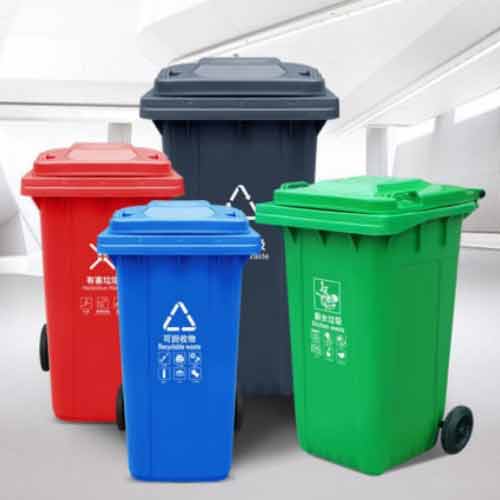
The modern trash can with recycling station is more than just a receptacle for waste; it is a critical tool in municipal waste management strategies aimed at increasing diversion rates and reducing landfill dependency. These dual-compartment units are designed to separate dry recyclables (paper, plastic, metal) from general refuse, making it easier for the public to participate in recycling programs without confusion. The design typically features two distinct openings—often color-coded (blue for recycling, black or green for trash)—to provide clear visual cues. In high-traffic areas like parks, subway stations, and shopping malls, these stations are engineered to hold high volumes of waste while minimizing overflow and litter around the base.
The construction of a trash can with recycling unit focuses on durability and hygiene. The outer shell is usually made from high-density polyethylene (HDPE) or powder-coated steel, materials that resist rust, UV degradation, and vandalism. The inner liners are removable galvanized steel buckets or heavy-duty plastic bags, allowing for easy emptying and cleaning by sanitation crews. Some advanced models include "smart" features like solar-powered compactors that crush the waste to increase capacity by up to 80%, reducing the frequency of collections. Others have sensors that alert maintenance teams when the bin is full, optimizing collection routes and reducing fuel consumption. The lids are often hinged and self-closing to contain odors and prevent animals from scattering trash.
From a behavioral science perspective, the trash can with recycling station plays a vital role in shaping public habits. Research shows that when recycling options are conveniently placed next to trash cans, participation rates increase significantly. The proximity eliminates the "I'll recycle it later" excuse. Furthermore, the clear separation of streams reduces contamination—a major issue where non-recyclables end up in the recycling bin, rendering the whole batch unusable. Educational graphics printed on the bin's surface help users identify acceptable materials, turning the act of disposal into a learning moment. In schools and office buildings, these stations are often part of broader sustainability curriculums or corporate social responsibility (CSR) initiatives.
Maintenance of a trash can with recycling is a logistical challenge for cities but is essential for public health and aesthetics. Overflowing bins attract pests and create unsanitary conditions. Therefore, regular collection schedules are mandatory, often coordinated with municipal waste management departments. The bins must be power-washed periodically to remove sticky residue and graffiti. In coastal areas, the metal components may require additional anti-corrosion treatments to combat salt air. For the recycling compartment specifically, there is the challenge of "wish-cycling"—people throwing in items that aren't actually recyclable locally. This requires constant public education campaigns and sometimes physical barriers inside the bin to prevent large or inappropriate items from being deposited.
Finally, the environmental and economic impact of widespread adoption of the trash can with recycling station is profound. By diverting materials like aluminum, glass, and cardboard from landfills, municipalities save on tipping fees and extend the lifespan of existing landfills. Recycled materials are also commodities that can be sold to processors, generating revenue that offsets the cost of the sanitation program. Moreover, the production of goods from recycled materials typically uses less energy and water than virgin materials, reducing the carbon footprint of the community. As cities move toward "zero waste" goals, the humble dual-bin station becomes a cornerstone of urban infrastructure, symbolizing a collective commitment to resource conservation and environmental stewardship.
Previous article:Hotel Trash Can with Lid for Hygiene
Next article:Promoting Cleanliness and Hygiene with an Efficient Rubbish Bin
Hot products
Mobile: +86 15097722953
Email:metalproducts2021@163.com
Email:1755383270@qq.com