Hygienic Kitchen Bins for Waste Management
Release time:2026-01-22 Click:14
Kitchen bins are essential fixtures for modern households, designed to manage household waste efficiently while maintaining hygiene and odor control. They come in various styles, including pull-out cabinets for under-sink storage, pedal-operated units for hands-free use, and recycling stations with multiple compartments. The choice of material is critical; stainless steel is popular for its durability and ease of cleaning, while plastic bins are lightweight and affordable. High-end models feature soft-close mechanisms to prevent slamming and fingerprint-resistant finishes to keep them looking clean.
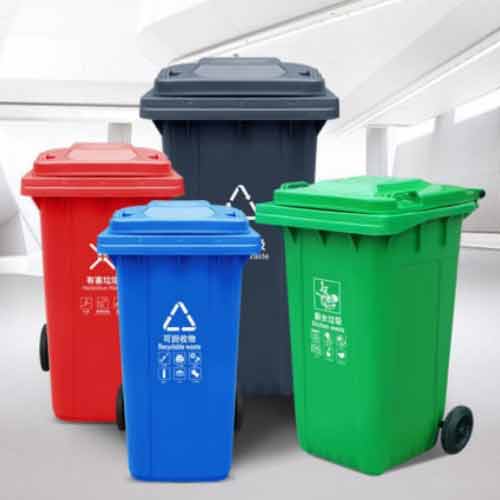
The functionality of a kitchen bin goes beyond just holding trash. Modern designs focus on segregation, with color-coded sections for general waste, recyclables, and organic compost. This encourages responsible waste disposal habits and complies with municipal recycling regulations. Some bins come with built-in charcoal filters or baking soda compartments to neutralize odors, which is crucial for open-plan kitchens where smells can linger. The shape of the bin is also important; slimline designs fit into narrow gaps, while larger units are designed to handle the high volume of waste generated by busy families.
Installation of kitchen bins depends on the type. Pull-out bins are integrated into cabinetry, requiring precise measurements for the carcase width and runner length. They slide on ball-bearing tracks for smooth operation. Freestanding bins require no installation but need to be placed on a level, easily accessible spot, often tucked away in a pantry or utility room. For built-in units, the door front must match the kitchen cabinets for a seamless look. Some models are designed to be wall-mounted to save floor space, a popular choice for small kitchens or apartments.
Maintenance for kitchen bins is vital for health and longevity. The inner bucket should be removed regularly for cleaning to prevent leaks and bacterial buildup. Stainless steel bins can be wiped down with a damp cloth and mild detergent, while plastic bins may need to be soaked to remove stubborn stains. It is important to dry the bin thoroughly after cleaning to prevent rust on metal or mold on plastic. For bins with mechanical parts like pedals or lids, checking for loose screws or hinges ensures smooth operation. Replacing worn-out lids or bags is a routine task. A clean, well-functioning bin not only improves kitchen hygiene but also makes the chore of waste disposal less unpleasant, contributing to a more organized and pleasant cooking environment.
Previous article:A Trash Can That Keeps Your Home Fresh and Clean
Next article:Promoting Cleanliness Conveniently with Garbage Bin
Hot products
Mobile: +86 15097722953
Email:metalproducts2021@163.com
Email:1755383270@qq.com