Managing Waste with Rubbish Bin
Release time:2026-01-15 Click:7
The humble rubbish bin is a cornerstone of public health and urban sanitation. From simple galvanized steel drums to sophisticated, sensor-activated compactors, these containers are designed to contain refuse, control odors, and deter pests. In residential settings, the rubbish bin is often wheelie-style, allowing heavy loads to be moved easily to the curb for collection. The lid plays a crucial role in preventing smells from escaping and keeping rainwater out, which can make waste heavier and attract insects. A tight-fitting lid is essential for maintaining a clean environment around the home.
Material durability is a key consideration, especially for outdoor bins. Plastic bins are lightweight and resistant to rust, but they can crack in freezing temperatures or fade under UV exposure. Heavy-duty rubber or polyethylene bins are more resilient, able to withstand rough handling by sanitation trucks without denting. Metal bins, often made of stainless steel or galvanized steel, offer the highest level of durability and fire resistance, making them ideal for commercial kitchens or industrial sites where hot ash or sparks might be present. The choice of material directly impacts the lifespan of the bin and its ability to contain messy waste.
Aesthetics have become increasingly important as bins are more visible in modern urban design. Many municipalities now require bins that blend with the streetscape, leading to the development of wooden or masonry-clad containers that hide the waste. In parks and tourist areas, decorative bins with intricate designs or bright colors encourage proper disposal by making the act of throwing trash away a more pleasant experience. Some public bins even feature art installations or advertising space, integrating utility with culture.
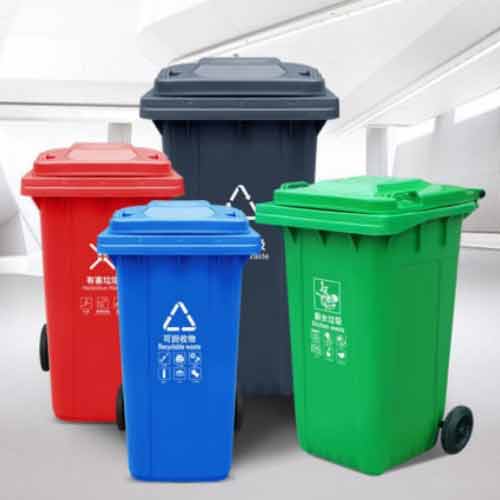
Recycling functionality has transformed the modern rubbish bin. Many now feature multiple compartments or color-coded lids to separate paper, plastic, glass, and organic waste. This source separation increases recycling rates and reduces contamination. Some advanced models include sensors that monitor fill levels and send alerts to waste management systems when they are full, optimizing collection routes and reducing fuel consumption. By evolving from a simple hole in the ground to a high-tech management tool, the rubbish bin remains essential for sustainable living.
Previous article:Push Lid Trash Can: How It Works
Next article:From Waste to Order: The Civic Role of Garbage Bin
Hot products
Mobile: +86 15097722953
Email:metalproducts2021@163.com
Email:1755383270@qq.com