Garbage Bin: Essential Infrastructure for Sanitation and Environmental Protection
Release time:2026-01-07 Click:11
Garbage bins serve as the fundamental infrastructure for modern waste management systems, providing essential collection points where residential, commercial, and industrial waste can be accumulated, contained, and prepared for transport to processing or disposal facilities. The simple concept of a container for holding refuse has evolved into sophisticated systems that address diverse waste types, collection methods, and environmental considerations that characterize contemporary approaches to sanitation and sustainability. From the basic curbside bins that households use for weekly trash collection to massive industrial containers that handle the waste output of manufacturing facilities and construction sites, garbage bins in their various forms form the essential interface between waste generation and waste processing that makes modern sanitary conditions possible.
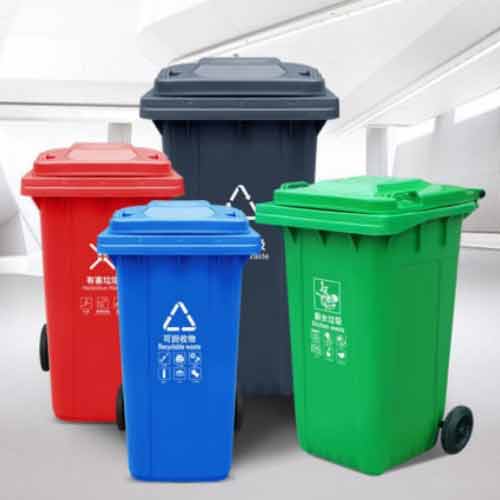
The materials and construction methods used in garbage bin manufacturing have evolved to address the diverse requirements of different applications, from lightweight residential bins that must be manually handled to heavy-duty industrial containers that must withstand the abuse of mechanical lifting and loading equipment. Plastic bins, typically manufactured from high-density polyethylene, offer excellent corrosion resistance, easy cleaning, and sufficient durability for residential and light commercial applications at reasonable cost. The molded construction allows for integration of wheels, lids, and ergonomic features that improve usability and reduce the physical strain of waste handling. Metal bins, constructed from galvanized steel or stainless steel, provide superior durability and fire resistance for applications where these characteristics are essential, including commercial kitchens, industrial facilities, and areas with high fire risk. The rigid construction of metal bins also makes them suitable for compaction applications where the mechanical compression of waste requires a strong, stable container.
The design of garbage bin systems for collection and transport involves careful consideration of collection efficiency, worker safety, and compatibility with the overall waste management system to create effective and sustainable sanitation infrastructure. Standardized bin sizes and shapes enable the development of efficient collection vehicles with mechanical lifting systems that can empty bins automatically, reducing the physical demands on collection workers and improving the efficiency of collection routes. The placement of bins in public spaces requires balancing accessibility for users with protection from accidental damage, interference with pedestrian and vehicle traffic, and aesthetics that contribute to rather than detract from the urban environment. Innovative bin designs increasingly incorporate features for垃圾分类, including separate compartments for different waste types, color coding systems that communicate appropriate usage, and instructional graphics that guide users in proper disposal practices. These advances in bin design support the broader goals of waste reduction, recycling, and environmental protection that characterize modern approaches to sanitation and sustainability.
Previous article:Slim Stainless Steel Trash Can: Space-Saving and Stylish
Next article:A Can That Keeps Up With Your Volume: Commercial-Size Trash Bin
Hot products
Mobile: +86 15097722953
Email:metalproducts2021@163.com
Email:1755383270@qq.com